
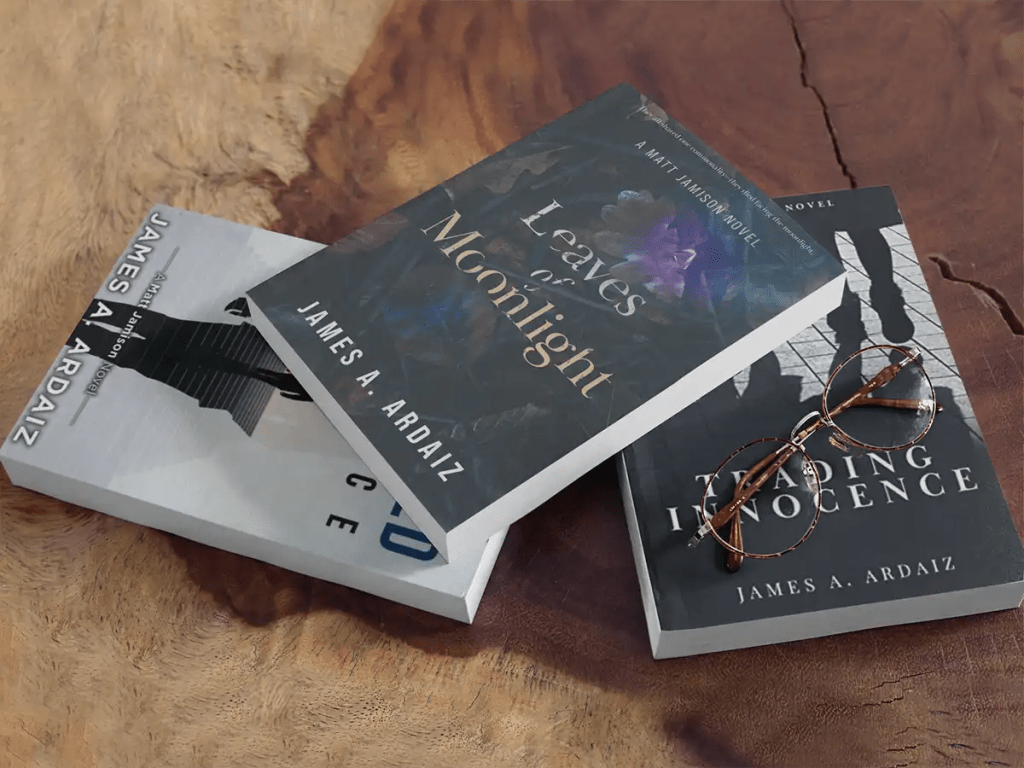
Why do people write books? It isn’t as easy as some people think. You need to have something you want to say, and you need to say something that people are interested in. I decided to write books centered on legal concepts set in a fictional construction. My books aren’t just about murder or criminal acts or even historical acts. My books focus on the applications of the law to people—to show what happens with the law, to explore how the application of the law isn’t always black or white, and to make people think about what they would have done if placed in similar circumstances. The books are not just about who did what to whom. I want readers to enjoy my books, but also to consider how they react to the character’s choices, the applications of the law to the circumstances, and the applications of power. I want people to think about the books after they finish reading them.
My books focus on the applications of the law to people—to show what happens with the law, to explore how the application of the law isn’t always black or white, and to make people think about what they would have done if placed in similar circumstances.
Questions I’m often asked as a former judge
I was a trial lawyer for almost twenty years and a trial and appellate court judge for thirty years in California. I sat on every level of the California courts, including, on occasion, the Supreme Court of California. I tried complex criminal and civil cases both as a lawyer and as a judge. I taught lawyers, and I taught judges at the state judicial college at Berkeley where newly appointed judges go for initial training. All the time, I am asked the same questions: What’s it like to be in front of a jury? What’s it like to sentence somebody who is found guilty of a crime? What’s it like to interrogate a suspect? But the question I get asked most often is whether I agree with a judge’s decision in a certain case, usually because the person asking doesn’t agree with the result. Because they don’t agree with the result, they assert that the result is wrong or the system is unfair—all because they expected or wanted something different or would have done something different.
Many people do not really understand the justice system and, surprisingly, that includes quite a few lawyers. We like to think of it as a pure system in which the law is black and white, the consequences are clear, and justice is always equally applied. But is that really true? The reality is that the justice system is a structure for making decisions; it is intended, as much as possible, to ensure that the result is one we can depend on as correct in terms of the reliability of its factual conclusions and fair in terms of consequences.
We like to think of the justice system as a pure system in which the law is black and white, the consequences are clear, and justice is always equally applied. But is that really true?
But what is factually reliable depends on perspective and objectivity, and what is fair depends on circumstances and discretion. Perspective, objectivity, circumstances, and discretion—each of these factors is not always so clear cut; they are subject to differences of opinion. And therein lies the “gray area” of the black-and-white justice system.
Hands Through Stone
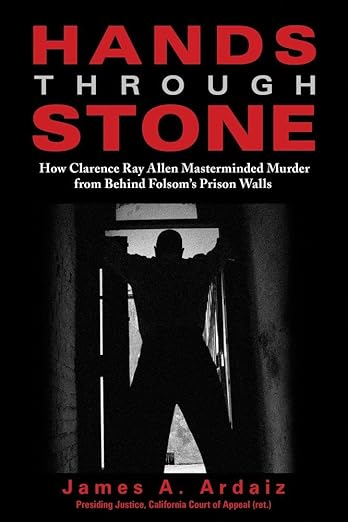
My first book, Hands Through Stone, is about my personal experience as the prosecutor in a horrible murder case that eventually resulted in the last execution in California. As far as I know, I am the only modern-day judge in California who has actually witnessed an execution. This book is about my pursuit, as a prosecutor, to convict a man who murdered many innocent people, and my reaction to the imposition of the death penalty. It is about my journey into the very fundamentals of the justice system and its ultimate consequences.
Tears of Honor
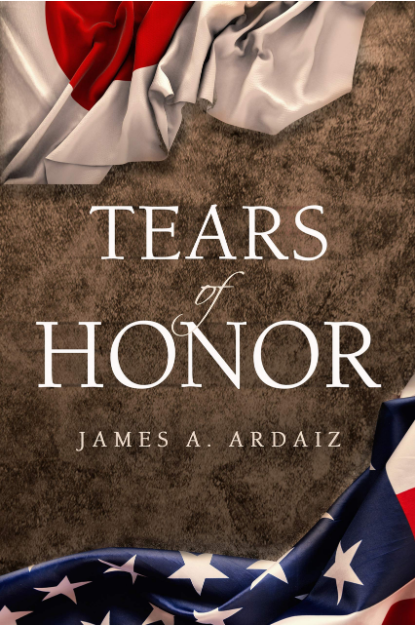
Tears of Honor is about the consequences of the decision to imprison thousands of Japanese Americans in World War II. It’s about the men in power who made that decision, the people who were affected by that decision, and the young men who left internment camps to fight for a country that kept their mothers and fathers in prison because of their ethnicity. This book focuses on three different perspectives, and within each perspective, the question is: why did this happen?
The Matt Jamison series
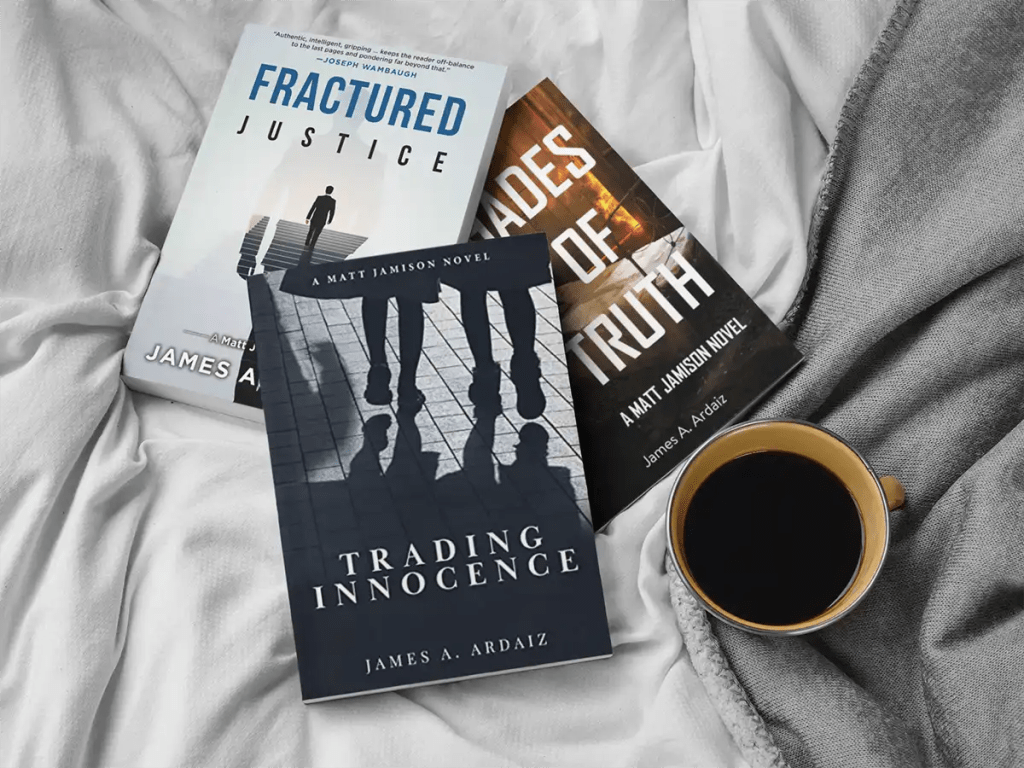
The rest of my books involve the Matt Jamison series—a fictional courtroom legal thriller series in which a young prosecutor steps out from the black-and-white world of law school to explore the concept of justice in the shades-of-gray criminal justice system.
Fractured Justice is about a serial murder case in which a young prosecutor, Matt Jamison, has to confront the realities of the criminal justice system and learn to take personal responsibility for decisions where the results were troubling and he had an element of control. Learn more.
Shades of Truth is about a case of wrongful conviction, where a man was convicted decades before, and how the legal system is later used to challenge that finding of guilt, and whether there was justification to revisit the reliability of the conviction. Learn more.
Trading Innocence is about the impact of the justice system on children who are victims of sex trafficking, and the concept of good vs. evil. Can there be good in supposedly bad people and bad in supposedly good people? Is human morality black and white? Learn more.
My new book, Leaves of Moonlight, is about people who justify criminal acts as pure or righteous as a form of religious fanaticism or extremism. Sometimes people justify their actions as good even though the results of their actions harm others. Leaves of Moonlight is an extraordinarily complex book. This book explores how the good and bad can exist at the same time within the same people. It also explores how people can pursue dark paths with the mindset that “the end justifies the means.” Learn more.
The journey of writing
I want to say to my readers that, even though I have a sense of where I am going when I begin to write a book, how I get there is not always clear. Writing the book is a journey for me. I hope my readers say that reading the book is also a journey for them. I want us to walk together and, in the end, for the reader to consider, “Is that what I would have done?” I also hope they say, “There’s another story here.”

 James Ardaiz